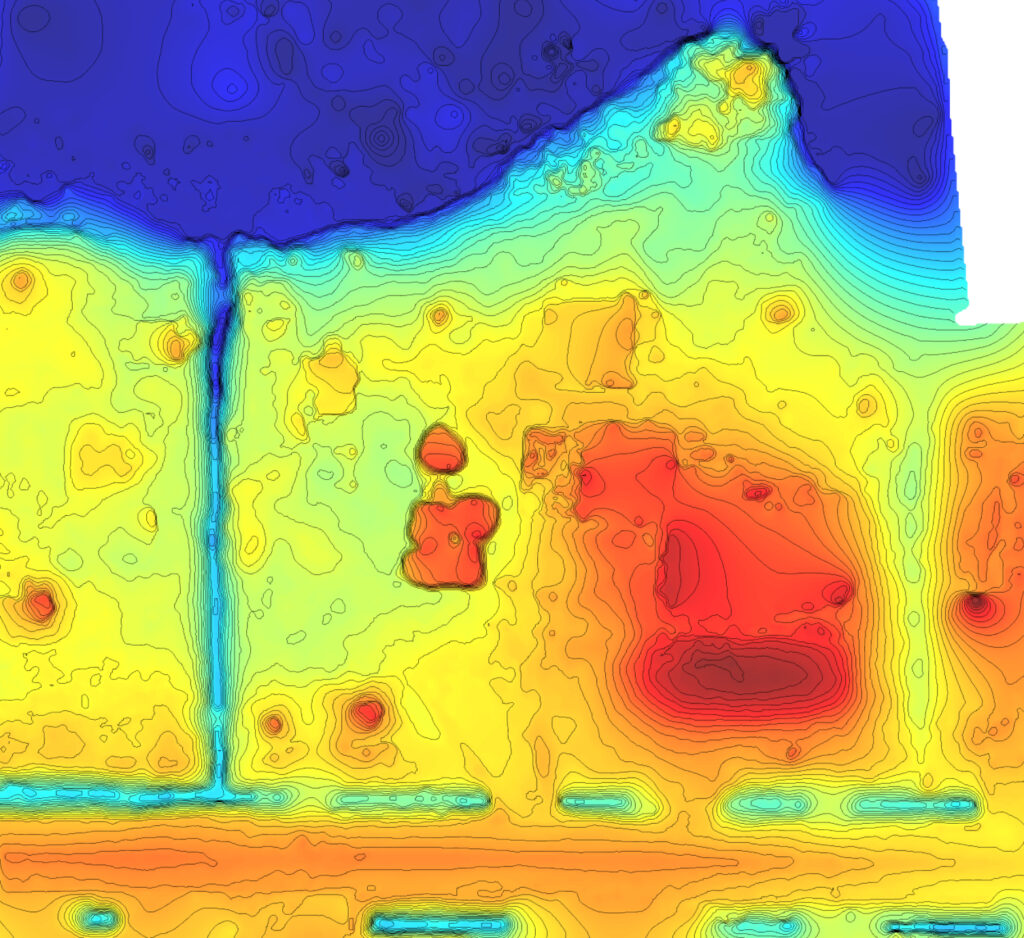
3D Modeling of Physical Assets – Broader Applications and Future Trends
The benefits of 3D digital models extend beyond these core professions to include architects, urban planners, real estate developers, and facility managers. The ability to create a “digital twin”—a living virtual replica of a physical asset—is transforming how infrastructure is managed and maintained over its entire lifecycle. As technology continues to advance, the integration of artificial intelligence and machine learning will further enhance the capabilities of 3D models, enabling predictive maintenance and more sustainable design practices.
Transforming Physical Assets into Powerful Digital Tools: The Benefits of 3D Digital Models
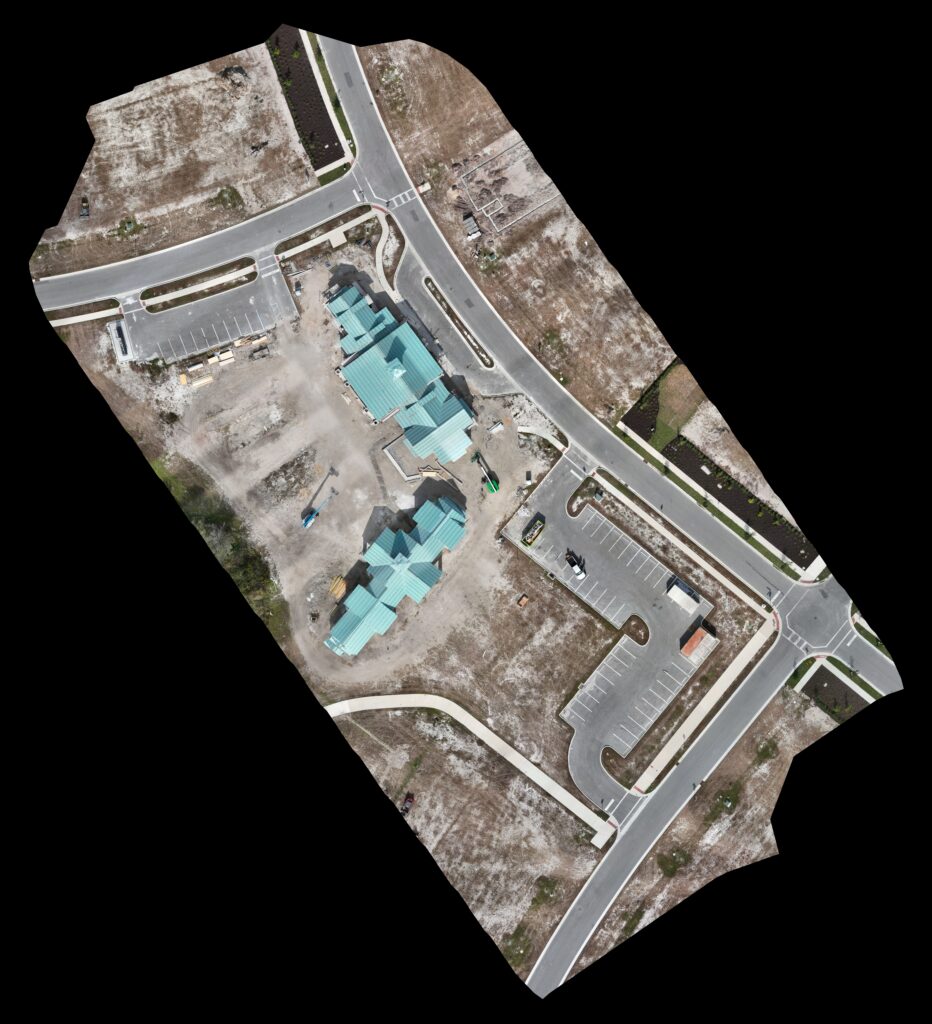
Three-dimensional (3D) digital models are detailed and accurate virtual representations of physical objects and environments. Created using drone image capture and specialized software, these models provide a comprehensive, three-dimensional view of a structure, including its shape, materials, and key components. This technology has revolutionized the architecture, engineering, and construction (AEC) industries by offering a powerful platform for visualization, analysis, and collaboration throughout a project’s lifecycle
Empowering Architects with Unprecedented Visualization and Design Freedom
For architects, 3D digital models are an indispensable tool for transforming creative visions into tangible, buildable designs. They offer a significant leap forward from traditional 2D drawings by providing an immersive and realistic representation of a project.
Key Benefits for Architects:
- Enhanced Visualization and Communication: 3D models allow architects to explore and present their designs from every angle, facilitating a deeper understanding for clients and stakeholders. Photorealistic renderings can showcase materials, lighting, and even landscaping, offering a vivid preview of the final product.
- Improved Design Accuracy and Error Detection: By creating a detailed digital replica, architects can identify potential design flaws, spatial relationship issues, and clashes between different building systems (like plumbing, electrical, and HVAC) early in the design process. This early detection significantly reduces the risk of costly errors during construction.
- Streamlined Design Iteration: Digital models can be quickly modified and updated, allowing for efficient exploration of different design options and concepts. This versatility enables architects to refine their designs to meet client needs and project requirements more effectively.
- Compelling Marketing and Pre-Sales Tools: Immersive virtual tours and high-quality renderings generated from 3D models can be powerful marketing assets, enabling the pre-selling or leasing of properties before construction is complete.
Enhancing Precision and Project Management for Civil Engineers
Civil engineers rely on 3D digital models to plan, analyze, and manage complex infrastructure projects with greater accuracy and efficiency. These models serve as a data-rich foundation for informed decision-making from the initial design phase through to long-term maintenance.
Key Benefits for Civil Engineers:
- Improved Project Planning and Simulation: 3D models enable engineers to visualize and simulate various construction scenarios, helping to identify potential challenges and optimize construction sequencing. This foresight leads to more efficient project execution and reduced downtime.
- Accurate Analysis and Performance Prediction: Engineers can use 3D models to perform detailed structural analysis, simulating the effects of loads and environmental factors to ensure the safety and longevity of the structure.
- Clash Detection and Coordination: By integrating models from different disciplines (e.g., structural, mechanical, and electrical), engineers can identify and resolve clashes between various components before they become on-site problems. This improved coordination streamlines the construction process and prevents costly rework.
- Enhanced Asset Management: 3D models serve as a valuable digital record of an asset, providing precise information for future maintenance, repairs, and renovations. This “digital twin” can be updated throughout the asset’s lifecycle, providing a comprehensive and evolving database.
Revolutionizing Data Capture and Deliverables for Surveyors
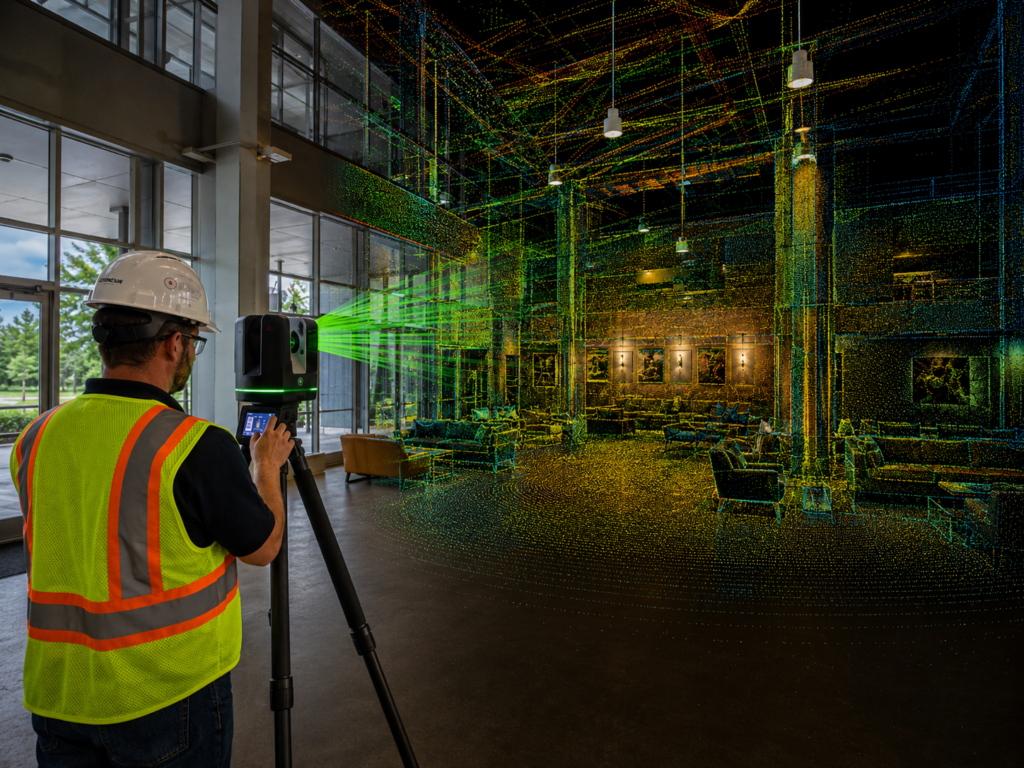
For surveyors, 3D digital models, often created from 3D laser scanning or photogrammetry, represent a paradigm shift in how they capture and deliver spatial data. This technology offers a faster, safer, and more comprehensive alternative to traditional surveying methods.
Key Benefits for Surveyors:
- Rapid and Comprehensive Data Collection: 3D scanning technology can capture millions of data points in minutes, creating a highly detailed and accurate “point cloud” of a site or structure. This process is significantly faster than manual measurements.
- Creation of Accurate As-Built Documentation: 3D models provide an exact digital record of the existing conditions of a site or building, which is crucial for renovation and retrofitting projects.
- Enhanced Safety: Drones and terrestrial scanners can capture data in hazardous or difficult-to-access areas, reducing risks for survey crews.
- Rich and Versatile Deliverables: From the captured data, surveyors can produce a wide range of deliverables, including 2D drawings, 3D models, and digital terrain models (DTMs), offering greater value to their clients.