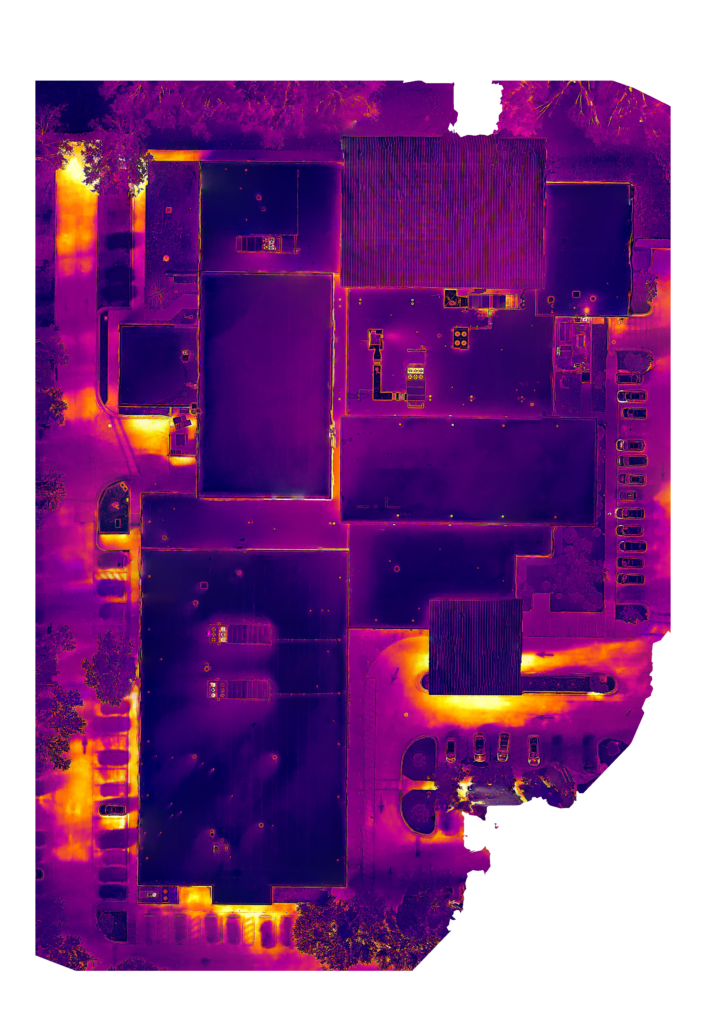
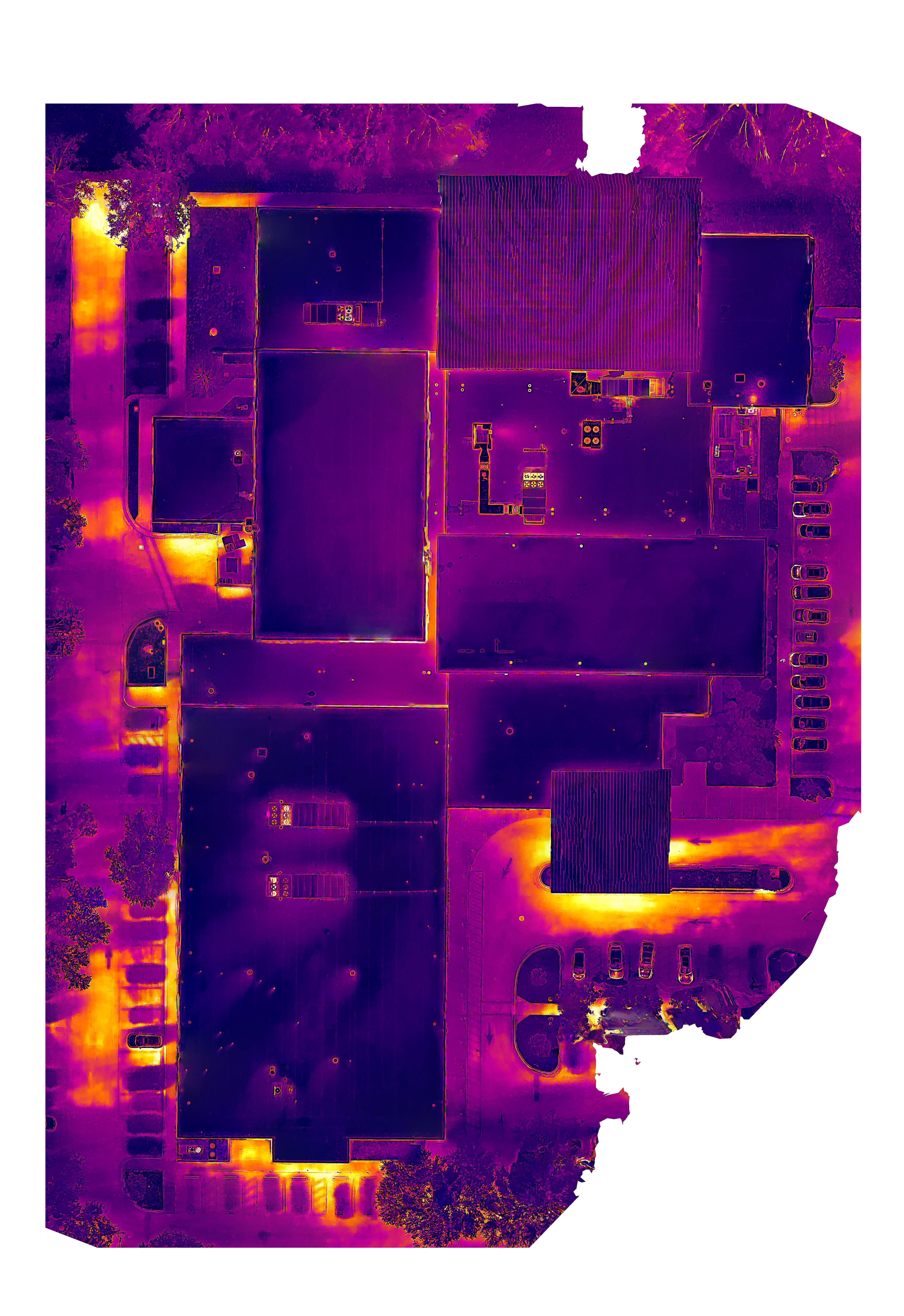
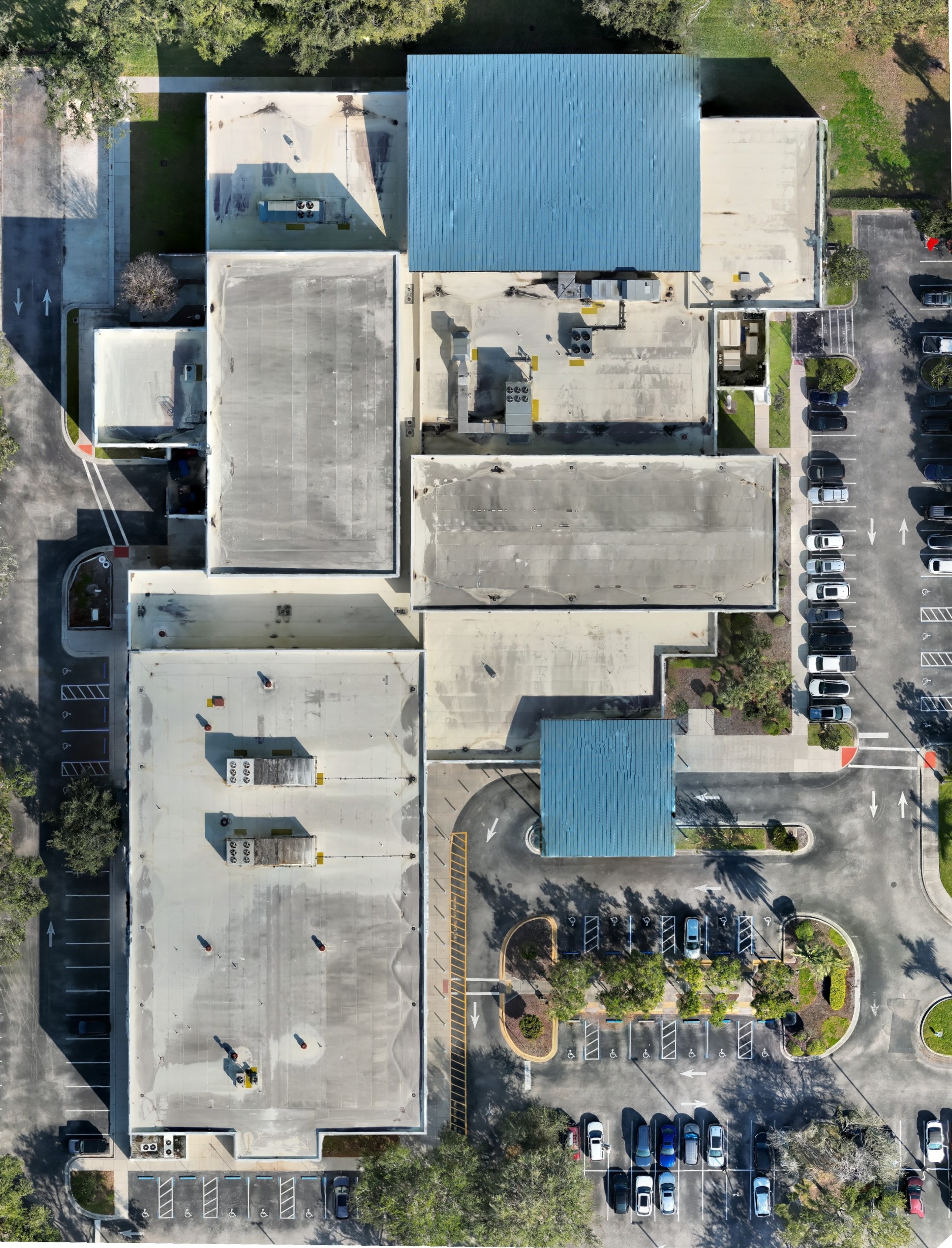
SMH Clark Rd Health & FItness Center
Seeing the Unseen: Thermal Imaging for Building Health and Efficiency
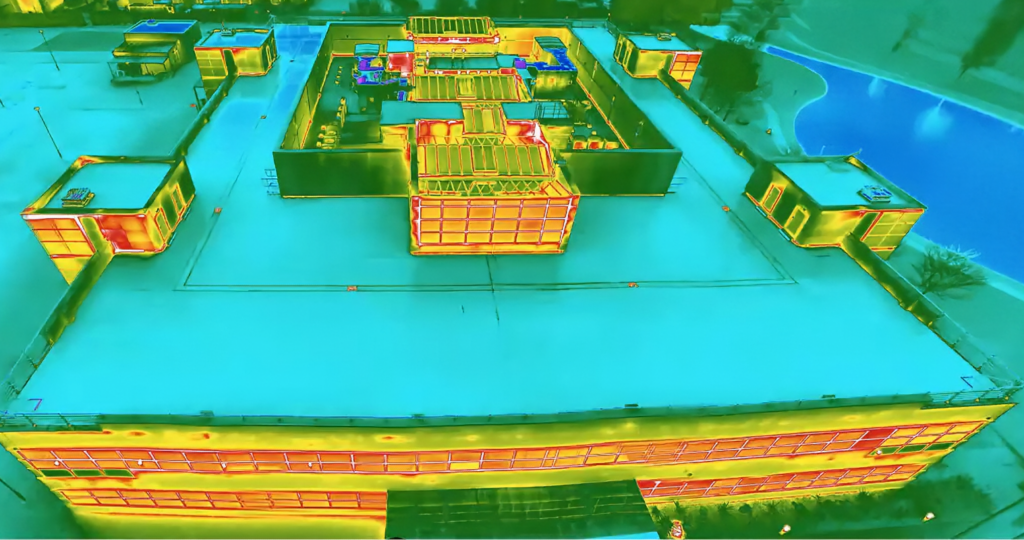
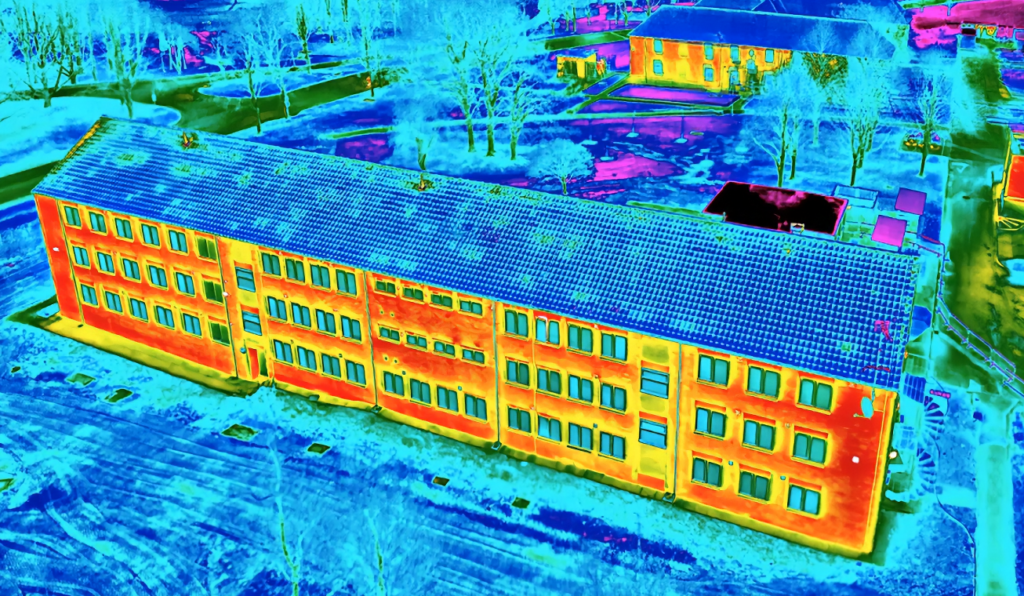
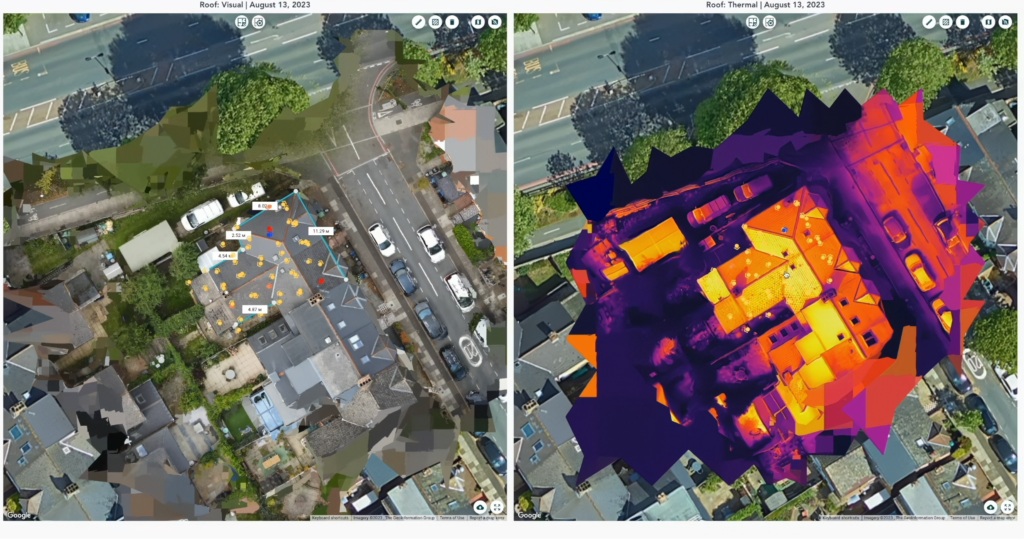
Thermal imaging, also known as infrared thermography, is a non-destructive technology that captures and visualizes temperature variations across the surfaces of buildings. By using specialized infrared cameras, technicians can identify thermal anomalies that are invisible to the naked eye, revealing critical information about a building’s condition. This technology is a powerful diagnostic tool for detecting hidden water intrusion and significant HVAC energy loss in roof systems and facades.
For a detailed white paper and analysis of the benefits of drone thermal imaging for massive cost savings, safety, and time reduction go here for details about the technology.
How It Works:
Advanced Thermal Inspection Methodology
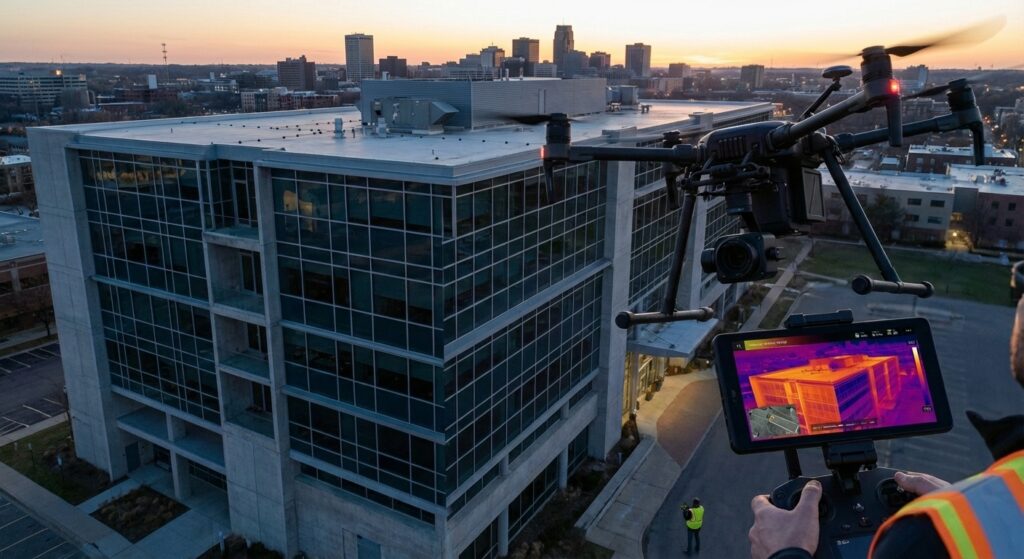
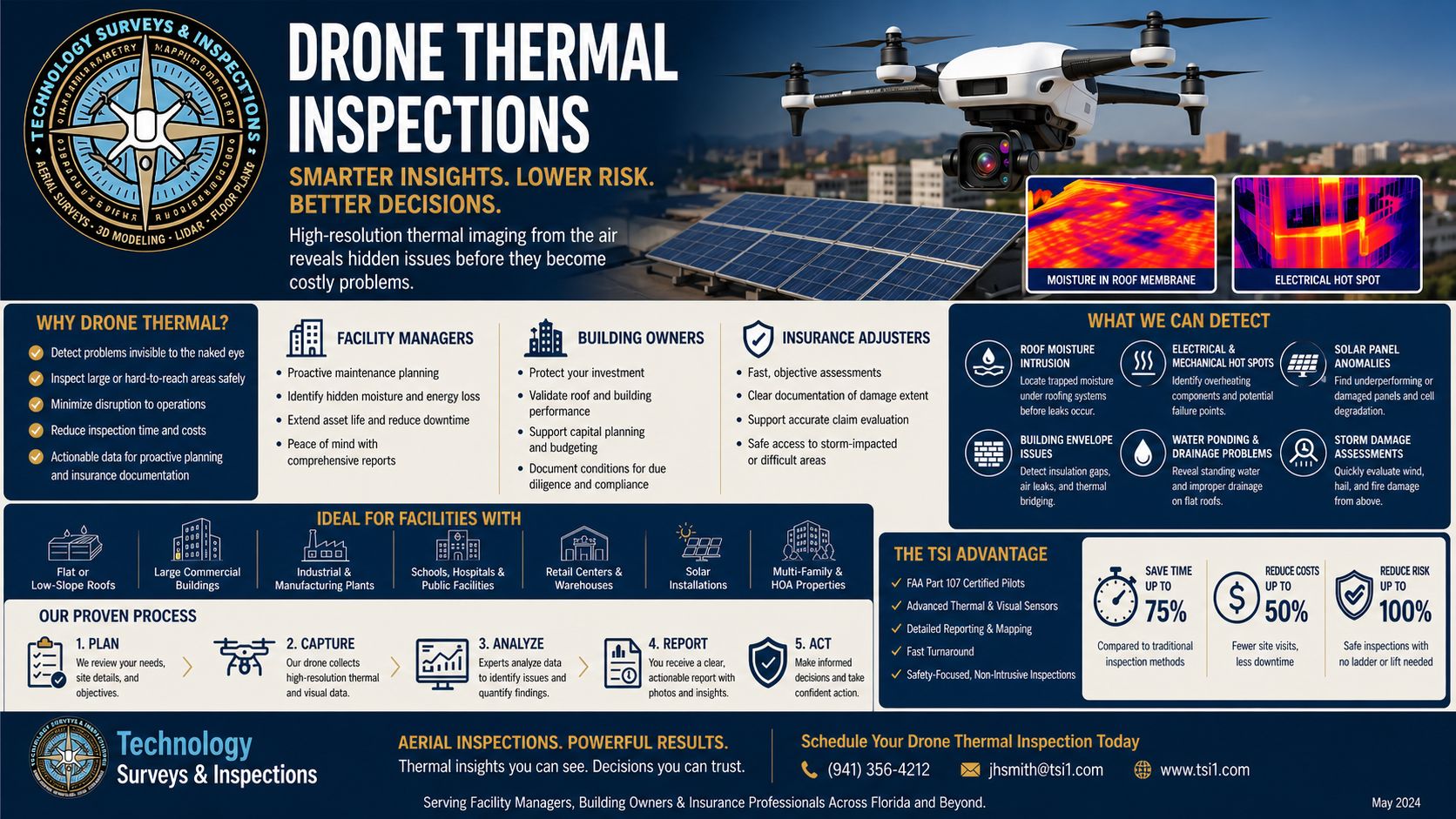
Our thermal imaging process leverages the state-of-the-art DJI Matrice 4T drone, equipped with a high-resolution radiometric sensor to deliver precision that traditional, ground-based inspections cannot achieve. By capturing thermal data from an aerial vantage point, we provide a comprehensive analysis of building envelopes, roofing systems, and large-scale infrastructure, identifying hidden issues like moisture intrusion or energy loss with pinpoint accuracy.
To ensure the highest level of diagnostic reliability, we carefully manage environmental variables; we time our flights to maximize thermal contrast—such as utilizing solar loading or specific temperature differentials—which allows our radiometric sensors to map even the most subtle heat signatures. Unlike standard visual inspections that only report surface-level observations, our methodology yields actionable, georeferenced data. This high-fidelity approach provides our clients with deeper insights into structural integrity, allowing for more informed maintenance decisions and long-term asset protection.
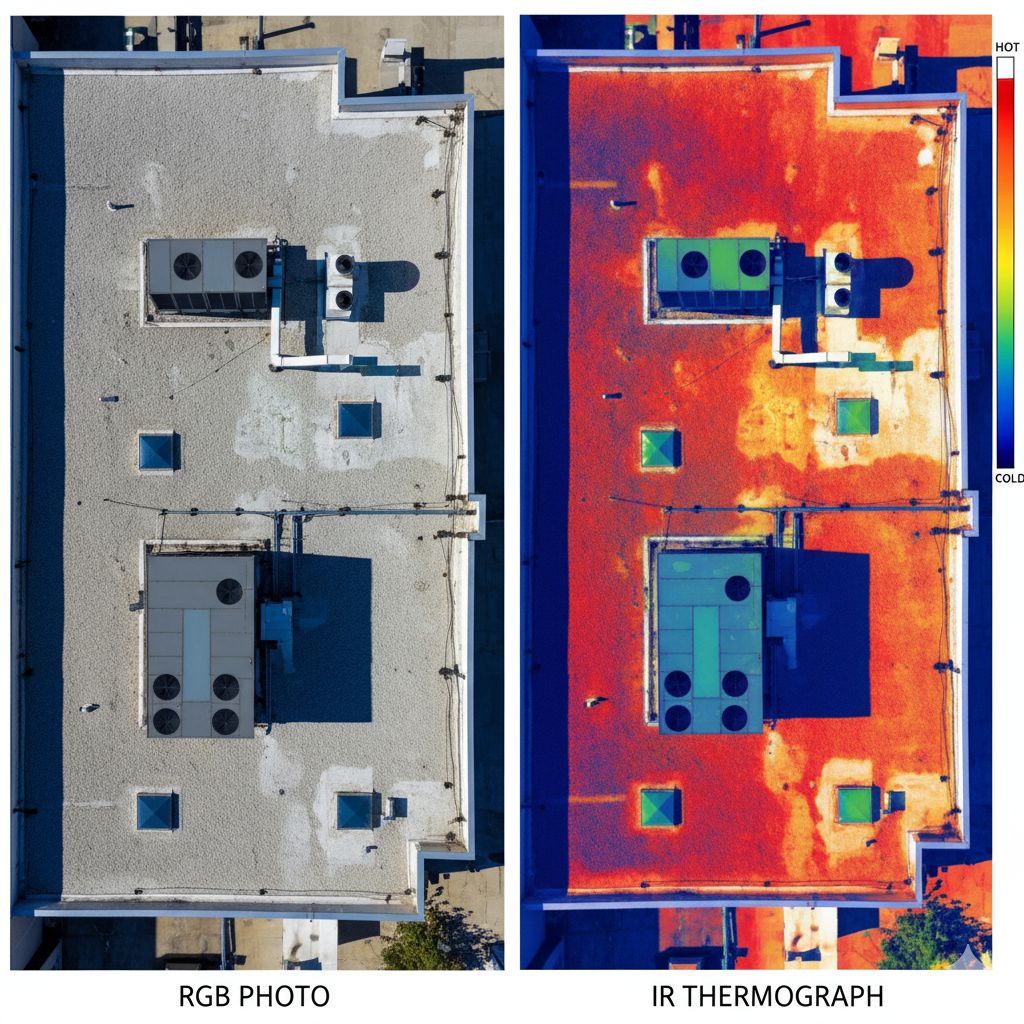
- Water Intrusion Detection: Building materials that have absorbed moisture retain heat differently than dry materials. During the day, a roof and facade absorb solar energy. As the building cools down after sunset, wet areas hold onto this heat longer. A thermal camera can detect these warmer “hot spots,” precisely mapping out the extent of subsurface moisture, often long before any visible signs of a leak appear.
- HVAC Energy Loss: Thermal imaging is highly effective at identifying energy waste. It can pinpoint areas of heat loss in the winter and cool air escape in the summer. These are often caused by missing or inadequate insulation, air leaks around windows and doors, and poorly sealed HVAC ductwork. The resulting thermal images provide a clear visual map of where a building’s energy efficiency is compromised.
Key Benefits Across Industries
For Architects and Civil Engineers
- Quality Assurance: Architects and engineers can use thermal imaging to verify the performance of newly constructed buildings. It allows them to confirm that insulation has been installed correctly and that the building envelope is airtight, ensuring the structure meets design specifications for energy efficiency.
- Forensic Analysis: When building failures occur, thermal imaging is an invaluable tool for diagnosing the root cause of water intrusion or performance issues without resorting to destructive testing. This helps in developing accurate remediation plans.
- Retrofit and Renovation Planning: By identifying the exact locations of energy loss and moisture problems, thermal scans provide the precise data needed to plan targeted and cost-effective retrofitting and renovation projects.
For Building Owners
- Proactive and Preventative Maintenance: Thermal imaging allows building owners to shift from reactive to proactive maintenance. Identifying moisture in a roof system early can prevent widespread insulation damage, structural deterioration, and mold growth, which can lead to more expensive repairs.
- Reduced Energy Costs: By pinpointing the exact sources of heat loss and air leakage, building owners can make targeted repairs that significantly improve energy efficiency and lower heating and cooling bills.
- Extend Roof Lifespan: Locating and repairing small leaks and saturated areas can prevent the premature failure of the entire roof system, extending its service life and saving on replacement costs.
For Insurance Companies and Adjusters
- Accurate Claims Assessment: Thermal imaging provides objective, visual evidence of hidden water damage that might be missed during a standard visual inspection. This leads to a more accurate and comprehensive assessment of the scope of damage for insurance claims.
- Risk Mitigation and Underwriting: Insurance companies can use thermal scans as a pre-loss inspection tool to identify pre-existing conditions or potential risks, such as faulty electrical systems or hidden moisture, allowing for proactive risk mitigation
- Fraud Detection: The detailed and scientific nature of thermal imaging can help in verifying the legitimacy of claims and identifying fraudulent attempts to claim for pre-existing or unrelated damage.
- Documentation for Litigation: Thermographic scans, when performed by a certified technician, can serve as credible documentation in legal proceedings related to construction defects or insurance disputes.